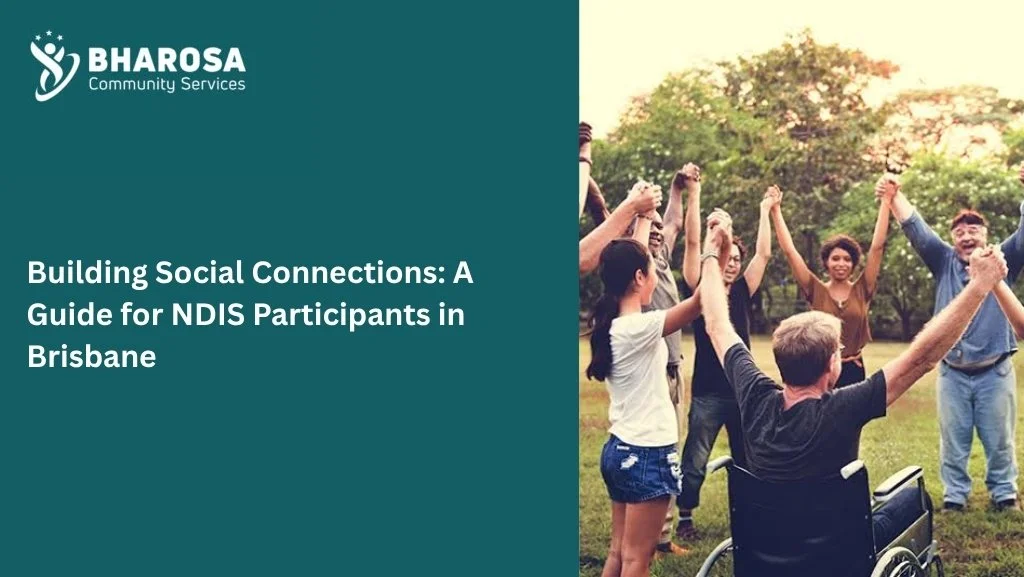
Did you know? Social isolation can have a profound impact on well-being, but with the right supports, building meaningful connections is possible. This guide explores how NDIS participants in Brisbane can foster social relationships and community engagement.
Understanding Social Isolation and Its Impact
Social isolation is a common experience for many people with disabilities, but it doesn’t have to be a permanent state. Research shows that social and community participation is a key factor in improving quality of life, mental well-being, and independence for NDIS participants. In Brisbane, a city known for its vibrant community spirit, there are numerous opportunities to connect with others who share your interests and passions.
Social isolation can manifest in various ways, from feeling disconnected from community activities to lacking opportunities to develop meaningful relationships. For people with disabilities, this can be exacerbated by communication difficulties, accessibility challenges, or simply not knowing where to start. However, with the right support and strategies, these barriers can be overcome.
How the NDIS Supports Social Connection
The National Disability Insurance Scheme (NDIS) recognizes the importance of social inclusion and provides funding categories specifically designed to support community participation and social connection.
Funding Categories for Social Participation
| Funding Category | What It Covers | Examples of Use |
|---|---|---|
| Core Supports | Assistance with social and community participation | Support worker to accompany you to events, classes, or social gatherings |
| Capacity Building | Skill development to enhance social skills | Workshops on communication, relationship building, or social anxiety management |
| Capital Supports | Equipment or modifications to facilitate social engagement | Assistive technology for communication, vehicle modifications for transport |
⚠️ Important: Social and community participation funding is not about generic group activities or day programs that don’t align with your interests. It’s about genuine engagement in activities you choose and enjoy.
Eligibility and Accessing Supports
To access NDIS funding for social participation, you’ll need:
- An approved NDIS plan that includes goals related to social connection or community participation
- An understanding that these supports are designed to build your skills and confidence over time
- A willingness to explore activities that genuinely interest you
Brisbane’s Social Connection Landscape
Brisbane offers a variety of inclusive social groups and community activities specifically welcoming to people with disabilities. Here are some local resources to explore:
Social Groups and Community Programs
- Explore Program (Brisbane South): Offers art, fitness, cooking, and community adventure activities tailored for adults with disabilities
- Therapy Groups for Autistic Adults: Weekly groups in Brisbane for skill development and passion exploration
- Disability Social Groups: Various Meetup groups and community organizations hosting inclusive events
- Peer Support Networks: Groups facilitated by Queenslanders with Disability Network (QDN) for mutual support and connection
According to support workers and participants, successful social groups share these characteristics:
- Common interests: Activities centered around shared passions (art, music, gardening, etc.)
- Small, consistent groups: Allowing relationships to develop over time
- Skilled facilitation: Support workers who understand social dynamics and individual needs
- Choice and control: Participants having genuine input into group activities and norms
Practical Steps to Build Your Social Network
Building social connections is a journey, and it’s okay to start small. Here’s a step-by-step approach:
1. Start with Self-Reflection
Take time to consider:
- What activities do you enjoy or want to try?
- What social settings feel comfortable for you? (One-on-one, small groups, larger events?)
- What are your social goals? (Making friends, practicing communication skills, sharing interests?)
- What barriers do you anticipate, and how might you overcome them?
2. Explore Brisbane’s Inclusive Offerings
Research local opportunities that align with your interests:
- Community centers and libraries: Often host accessible events and workshops
- Special interest groups: Photography, gaming, gardening, or book clubs
- Faith-based communities: Many offer inclusive programs and social activities
- Volunteer opportunities: Contributing while connecting with others
- NDIS provider events: Some providers host social mixers or group activities
3. Leverage Your NDIS Supports
Your NDIS plan can be a powerful tool for building social connections:
- Support workers: Can accompany you to activities, help you practice social skills, and provide encouragement
- Support coordination: Can help you find and access suitable social opportunities in your community
- Capacity building supports: Workshops or therapy to develop social skills and confidence
- Assistive technology: Communication devices or apps that facilitate social interaction
4. Overcome Common Barriers
Be aware of potential challenges and strategies to address them:
| Barrier | Possible Solutions |
|---|---|
| Social anxiety | Start with online communities, attend events with a support worker, consider therapy supports |
| Communication difficulties | Use augmentative and alternative communication (AAC) devices, practice with trusted supporters first |
| Accessibility concerns | Research venues in advance, contact organizers to discuss accommodations, bring a support person |
| Transportation challenges | Use NDIS funding for transport, explore community transport options, carpool with others |
| Financial constraints | Prioritize free or low-cost activities, look for community-run programs, use NDIS funding strategically |
Nurturing and Maintaining Connections
Building social connections is just the first step—maintaining them requires ongoing effort and intentionality:
Quality Over Quantity
- Focus on developing one or two meaningful relationships rather than collecting many acquaintances
- Look for mutual interests and shared values that form the foundation of lasting friendships
- Practice reciprocity—both giving and receiving in relationships
Communication Strategies
- Active listening: Show genuine interest in others’ experiences and perspectives
- Self-advocacy: Express your needs and preferences clearly and respectfully
- Digital communication: Use messaging apps, social media, or video calls to maintain connections between in-person meetings
Handling Social Setbacks
- Recognize that not every social interaction will be successful, and that’s okay
- Learn from challenging experiences and adjust your approach
- Seek feedback from trusted supporters on how to navigate social situations
When to Seek Additional Support
Sometimes, building social connections may require additional professional support. Consider reaching out if:
- You’re experiencing persistent social anxiety that interferes with daily life
- You’ve tried to connect with others but feel stuck or unsuccessful despite your efforts
- You’re dealing with complex social dynamics or past relationship trauma
- You need help advocating for your needs in social settings
NDIS supports available may include psychology, counselling, social work, or specialized mentoring. Your support coordinator or local area coordinator can help you connect with appropriate services.
Frequently Asked Questions
Can NDIS funding be used for social activities I enjoy?
Yes! Social and community participation funding is specifically designed to support you in engaging in activities you enjoy and that help you achieve your social goals. The key is that activities should be genuine and aligned with your interests, not generic “filler” activities.
What if I try a social group and don’t enjoy it?
That’s perfectly okay! Not every group or activity will be the right fit. Use the experience as information to help you identify what you’re looking for. Talk to your support worker about what specifically didn’t work for you, and use that to guide your next choice.
How can I make friends if I have difficulty with communication?
There are many ways to connect beyond verbal communication. Shared activities (art, music, gardening), online communities, and structured social groups with skilled facilitators can all provide opportunities for connection. Consider discussing communication strategies with a speech pathologist or social worker.
Is it normal to feel nervous about social situations?
Absolutely! Social anxiety is common, and it’s okay to start small. Many NDIS participants work with support workers or therapists to develop strategies for managing anxiety in social settings. Consider attending events with a trusted supporter initially, and gradually building your comfort level.
Taking the First Step
Building social connections is a deeply personal journey, and there’s no “right” way to do it. The most important thing is to start where you are and take small, consistent steps toward your social goals.
As an NDIS provider in Brisbane, we’re here to support you in this journey. Whether you need assistance finding local groups, accessing funding for social participation, or developing social skills, our team can help you navigate the process and connect with opportunities that align with your interests and goals.
Ready to start building your social connections? Contact our team today to discuss how we can support your journey toward meaningful social engagement in Brisbane’s vibrant community.