Finding the right NDIS living arrangement can feel overwhelming — especially when terms like Supported Independent Living get thrown around without a clear explanation. If you or a loved one needs professional support at home but still wants to live independently, SIL might be exactly the right fit. In this guide, you will learn what supported independent living is, who it suits, how SIL funding works inside an NDIS plan, and how to take the next step toward finding a vacancy.
In this article:
- What SIL is and how it works
- Who is eligible for SIL funding
- How to get SIL included in your NDIS plan
- How to find the right SIL home and provider
What Is Supported Independent Living (SIL)?
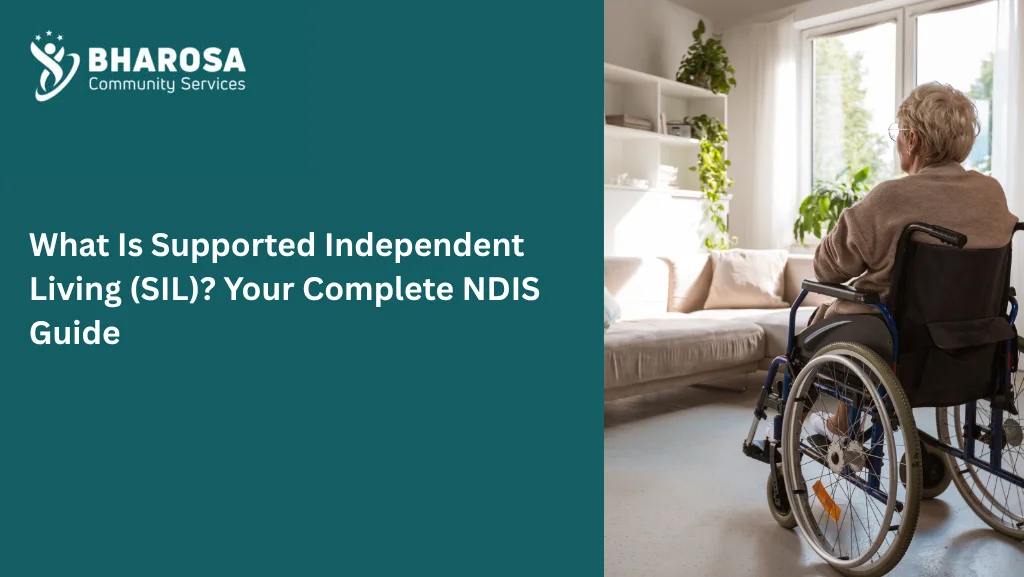
Supported Independent Living is an NDIS-funded support that helps people with disability live as independently as possible in a shared home. It is not the house itself — it is the staffing and support that comes with it. A registered NDIS provider supplies trained support workers who assist with daily tasks, personal care, and building everyday skills.
SIL is designed for people who need regular support throughout the day, and sometimes overnight. Depending on your needs, support can be available 24 hours a day, including active overnight staff or sleepover arrangements. The level of support is always tailored to each participant based on their NDIS plan and individual goals.
SIL homes are typically shared accommodation. Participants live alongside one or more housemates who also have NDIS plans. Each person has their own private bedroom and receives individual support, even within a shared living environment.
Key facts about SIL:
- SIL is funded under the Home and Living category of your NDIS plan
- Support is delivered by a registered NDIS provider
- SIL funding covers staffing costs — not rent or the property itself
- Support ratios range from 1:1 through to 1:3 depending on participant needs
- Support can include 24/7 coverage, active overnight, or sleepover support
Who Is SIL Suitable For?
SIL is best suited for NDIS participants who need regular, ongoing support with daily living but want to live in a community setting — not a hospital or aged care facility. This includes people with physical disability, intellectual disability, acquired brain injury, autism, or complex support needs.
To be eligible, you need SIL funding approved in your NDIS plan. This generally means your support needs are significant enough that they cannot be met by informal supports like family or friends alone. Your NDIS planner or Support Coordinator will assess your situation and recommend SIL if it is the right match.
SIL is also well suited to people who value independence and want to be part of a community, but need consistent professional support to manage day-to-day life safely and confidently.
SIL may be the right option if you:
- Have moderate to high daily support needs
- Want to live away from family in your own supported home
- Are comfortable with — or open to — shared living arrangements
- Have SIL funding included or pending in your NDIS plan
How Does SIL Funding Work in Your NDIS Plan?
SIL funding works differently from most other NDIS supports. Unlike core supports, which can be self-managed or plan-managed, SIL is almost always agency-managed and paid directly to your registered SIL provider. This is because SIL involves complex, ongoing rostering of support staff across multiple participants.
To get SIL approved, you will typically work with a Support Coordinator who helps gather evidence of your needs and requests a formal assessment. The NDIS may conduct a Home and Living assessment to determine the right level of support. Once approved, your SIL provider and the NDIS agree on a support schedule and funding amount through a document called a Roster of Care.
The amount of SIL funding you receive is based on the hours of support you need each week, your support ratio, and whether active overnight support is required. Your provider will work with you to develop a support model that fits your goals and daily routine.
Steps to access SIL funding:
- Talk to your Support Coordinator or NDIS planner about adding SIL to your plan
- Gather supporting evidence — OT reports, medical documentation, carer impact statements
- Request a Home and Living assessment through the NDIS
- Identify a registered SIL provider and a suitable vacancy
- Your provider submits a Roster of Care for NDIS approval
- Move in and begin support
What to Look for in a SIL Home and Provider
Not all SIL homes are the same. When choosing a provider, look for one that is a registered NDIS provider, offers flexible support ratios, has experience with your specific support needs, and takes a person-centred approach to care.
The home itself matters too. A good SIL property will have private bedrooms, accessible bathrooms, and proximity to services like medical centres, public transport, and community activities. A safe and comfortable environment makes a real difference to your quality of life.
Cultural responsiveness is also worth considering. If you or your family member comes from a culturally diverse background, working with a provider that understands and respects that background leads to better outcomes.
When assessing a SIL home, ask:
- Is the provider registered with the NDIS?
- What support ratios are available?
- Is 24/7 or overnight support offered?
- How are housemates matched for compatibility?
- What does a typical day look like for residents?
SIL Vacancy in Morayfield, Brisbane — Available Now
If you are looking for Supported Independent Living in Brisbane’s Moreton Bay region, Bharosa Community Services has an immediate vacancy in Morayfield, QLD.
The property is a modern, well-maintained 4-bedroom house with 3 current vacancies. It offers 24/7 support including active overnight, flexible support ratios of 1:1, 1:2, and 1:3, and is suitable for participants with low, moderate, or high support needs. The home is located close to shopping centres, parks, medical services, and public transport.
Bharosa is a registered NDIS provider in Queensland with an experienced, culturally responsive support team. We work with participants, families, and Support Coordinators to make the transition into SIL as smooth as possible.
View the full Morayfield SIL property listing to see photos, support details, and how to enquire.
Conclusion
Supported Independent Living gives NDIS participants the opportunity to live in a real home with the right level of professional support — whether that is 24/7 or part of the day. It is funded through your NDIS plan, delivered by a registered provider, and tailored to your individual goals and needs.
If you are ready to explore your options, we are here to help. Learn more about our SIL service or Enquire about our Morayfield SIL vacancy today, or refer a participant through our quick online form.